
 Deutsch
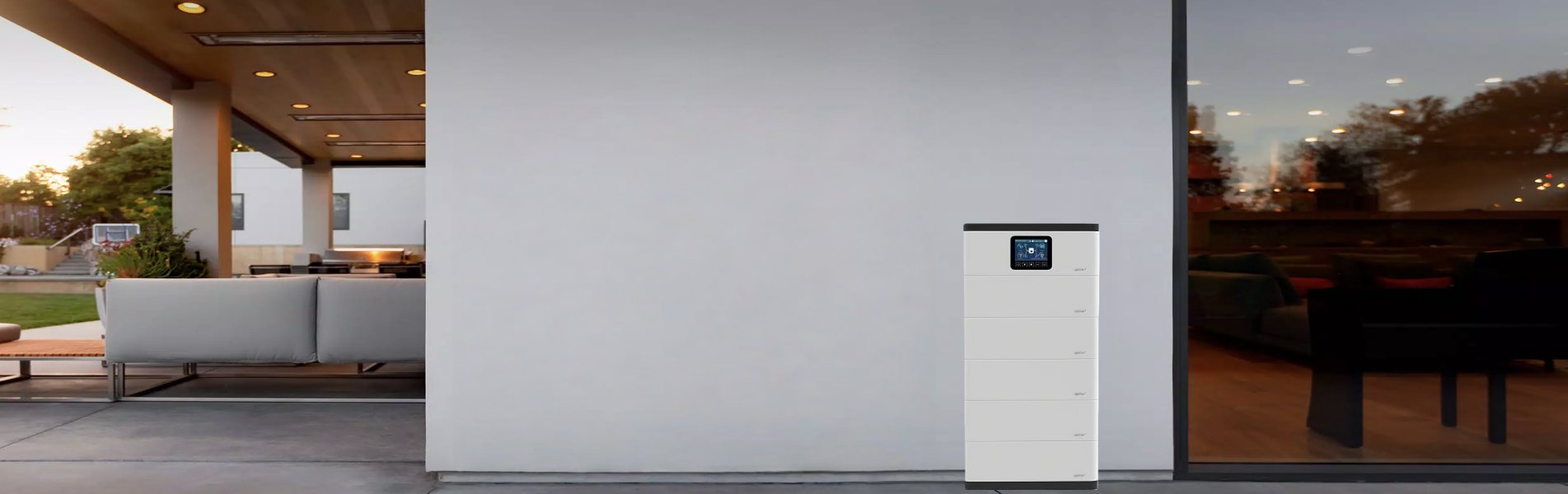
Wir beschäftigen uns mit verschiedenen Arten von Zellen, Batterien und Energiespeichersystemen.
Bei Fragen zu unseren Produkten hinterlassen Sie uns bitte eine Nachricht, wir melden uns innerhalb von 24 Stunden bei Ihnen.



Wir beschäftigen uns mit verschiedenen Arten von Zellen, Batterien und Energiespeichersystemen.
Bei Fragen zu unseren Produkten hinterlassen Sie uns bitte eine Nachricht, wir melden uns innerhalb von 24 Stunden bei Ihnen.
The most common mistake buyers make is asking "how much does a set cost?" before asking "what kind of house do I have?" A system that fits a rural house with a pump and a big roof is often a waste of money in a city apartment, and the reverse is also true.
Three house types, three very different answers. The differences that matter are not the floor area — they are the roof, the outage frequency and the heaviest load in the house.
Three House Types, Four Real Differences
|
|
City apartment |
Villa or townhouse |
Rural house |
|
Roof for solar |
Almost none — shared roof, balcony only |
Yes, roof and yard |
Yes, large roof, usually unshaded |
|
Outage frequency |
Low, mostly storms and grid events |
Medium, longer lines, more trees |
Highest, and often longest |
|
Daily use |
6–10 kWh |
20–40 kWh |
10–20 kWh, pumps included |
|
Heaviest load |
Central AC, sometimes a shared lift |
Central AC, underfloor heating, pool pump |
Well pump, farm machinery, electric heating |
City Apartment: Backup, Not Generation
A home battery for an apartment is a backup device, not a money-saving device. With no usable roof, solar is not realistic: one panel on a balcony produces about 1.5–2 kWh on a good day, which is a rounding error next to a 6–10 kWh daily demand. Buy it to keep the fridge and the lights on, and expect nothing more.
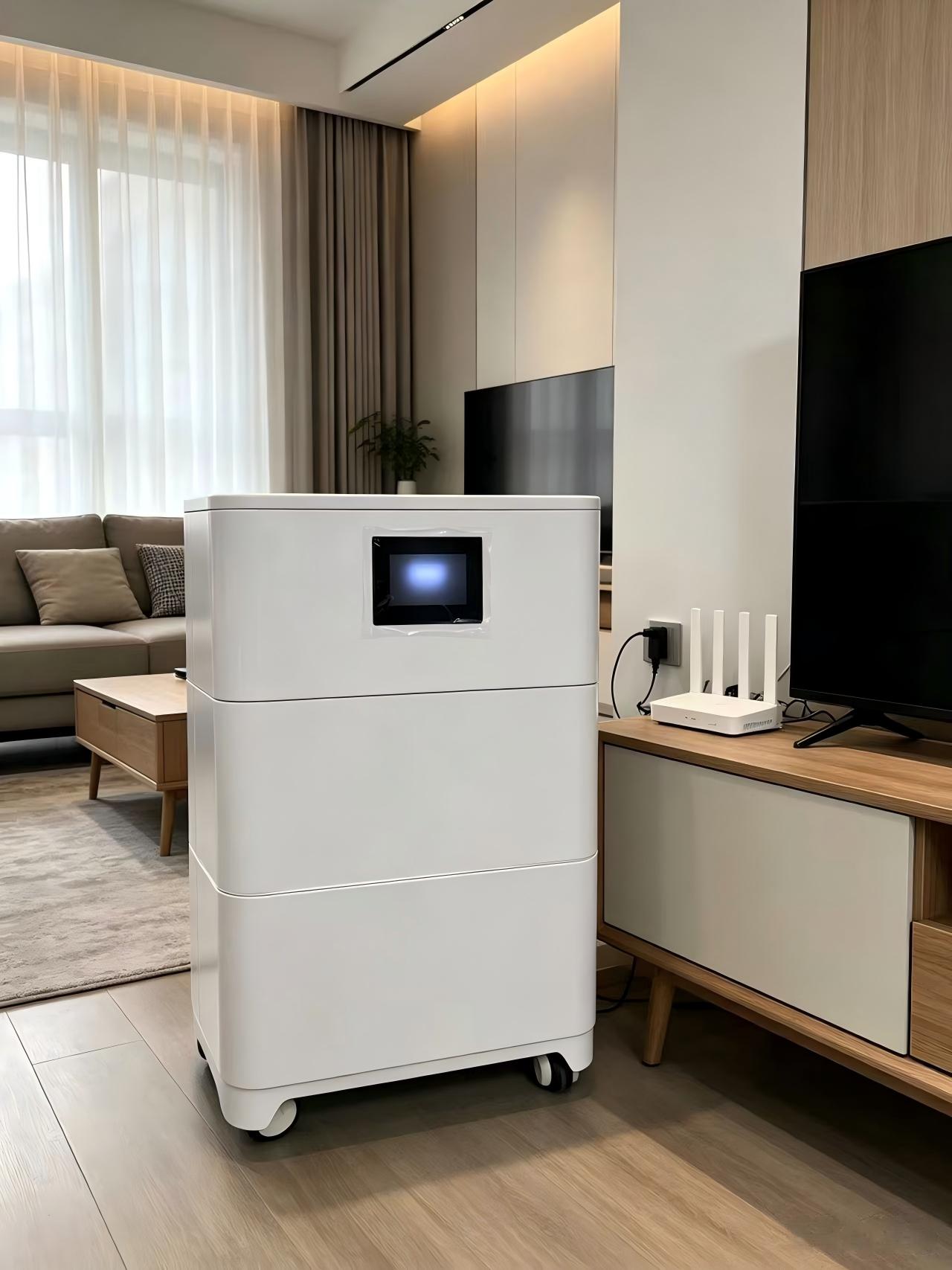
Small capacity is enough. Fridge, lights, router and phones need about 2 kWh a day. A 5.12 kWh module covers about two days; a 10.24 kWh unit about four.
Ask the building manager first. You cannot use shared areas, hang equipment on the facade, or block a fire escape. Indoor placement needs ventilation and about 20 cm of clearance for heat.
Do not put it in a bedroom. Even at low noise, a battery with a cooling fan does not belong next to a bed. Utility room, entrance cabinet or storage area is better.
Check the big loads. A single-phase 230V system may not start a large central air conditioner. List the appliances first, then confirm the power rating — not the other way round.
Villa or Townhouse: Solar and Backup Together
A villa is where a villa solar battery system actually pays. There is a roof for panels, a yard for equipment, and heavy loads that make self-consumption valuable. But two details decide whether it works:
Three-phase supply needs a plan. Most villas come in on three phases, while our all-in-one unit is single-phase 230V. Before ordering, find out which phase the critical loads sit on, and whether multiple units per phase are needed. Do not assume one box covers a three-phase house.
Size from a "must-run" list. Fridge, lighting, network, the main bedroom's AC, the water pump. Then add comfort loads. A 20–30 kWh system usually covers a villa's essentials for a day and a half.
Budget for surge. Pool pumps, well pumps and compressors draw several times their rated power for a second at start-up. That is a system-level decision, not a battery-size decision.
Rural House: The Hardest Grid, the Best Roof
A rural house has the most to gain from storage and also the most demanding conditions. Three things show up again and again:
Weak, unstable voltage. At the end of a long feeder, voltage sags when a pump or welder starts. A wide AC input range of 90–280V is not a marketing number here — it is the difference between charging and not charging.
Pumps draw a surge. A well pump can pull several times its rated current for a second. If the pump must run during an outage, size for the surge and tell the supplier clearly.
Dust, damp and cold. Installation is often in an unheated side room. Charging is blocked below 0°C, so either keep the room above freezing or choose the low-temperature heating option.
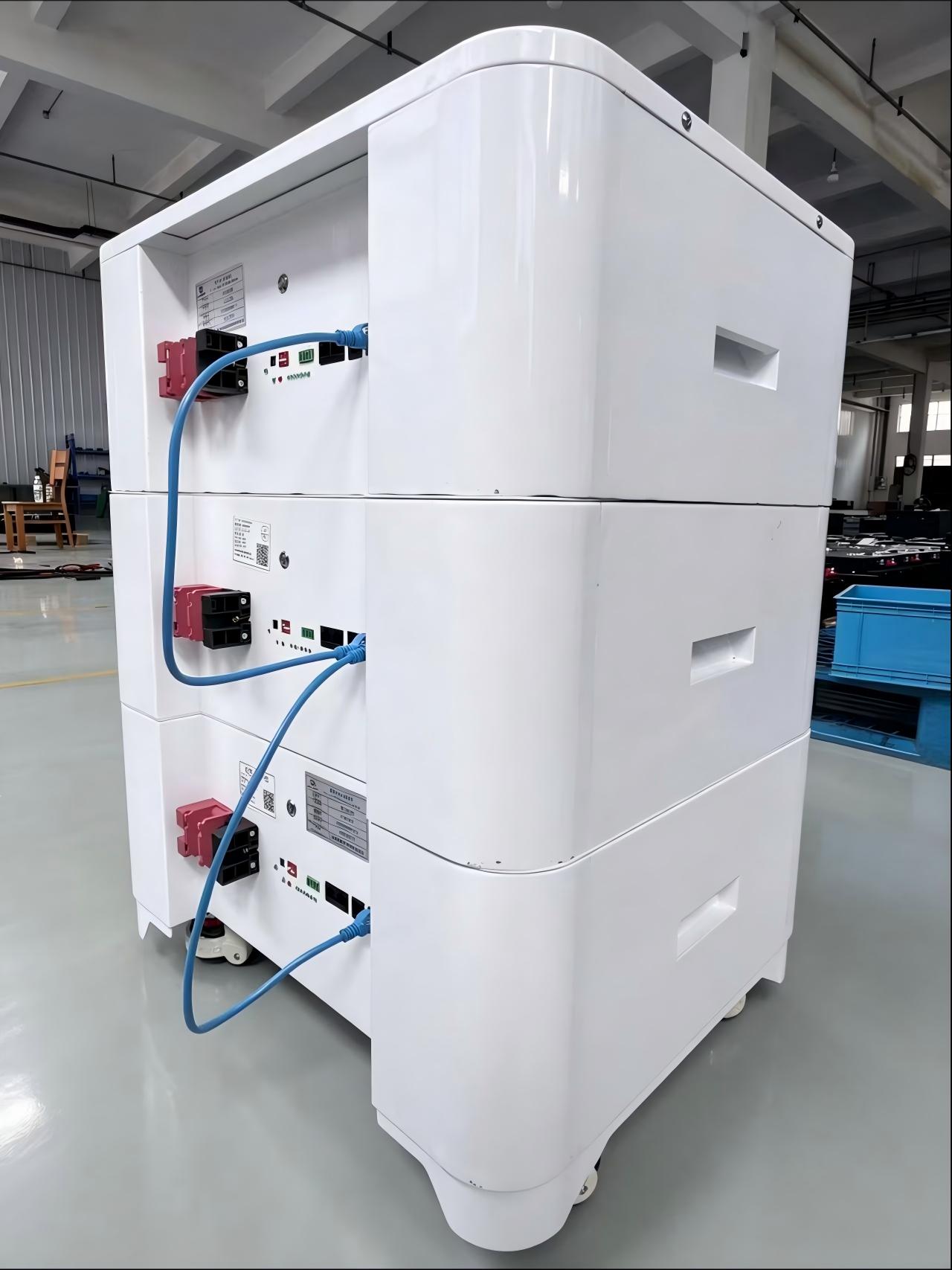
Big roof, staged budget. This is the case for a stacked system: start with two modules, add one each year before the harvest or Spring Festival peak, without touching the PV side.
Quick Reference by House Type
|
House |
Daily use |
Suggested capacity |
Solar & watch-outs |
|
City apartment |
6–10 kWh |
5.12 kWh module or 10.24 kWh unit |
No solar; building approval and indoor placement |
|
Villa / townhouse |
20–40 kWh |
20–30 kWh (2–3 units or 4–6 modules) |
Solar recommended; three-phase split and surge loads |
|
Rural house |
10–20 kWh |
10–30 kWh, stacked and expandable |
Solar strongly recommended; weak voltage, pump surge, cold room |
Three Rules That Work for Every House
Do not size by floor area. A 200 m² house with a careful owner can use less than a 90 m² house with an electric heater. When people ask how much battery backup do I need, the only honest starting point is the list of appliances that must keep running.
Look at your own outage history. If outages last two hours twice a year, a small system is enough. If they last two days after every storm, size for two days — not for the average.
Leave room to grow. Air conditioning gets added, a second freezer appears, a family member needs medical equipment. Stackable modules cost slightly more today and save a full replacement later.
An apartment needs a small, quiet box and a landlord's permission. A villa needs a plan for three phases and surge loads. A rural house needs tolerance for bad voltage, a pump that kicks hard, and a cold room in winter. Same product family, three different conversations — which is exactly why we ask about the house before we quote a price.
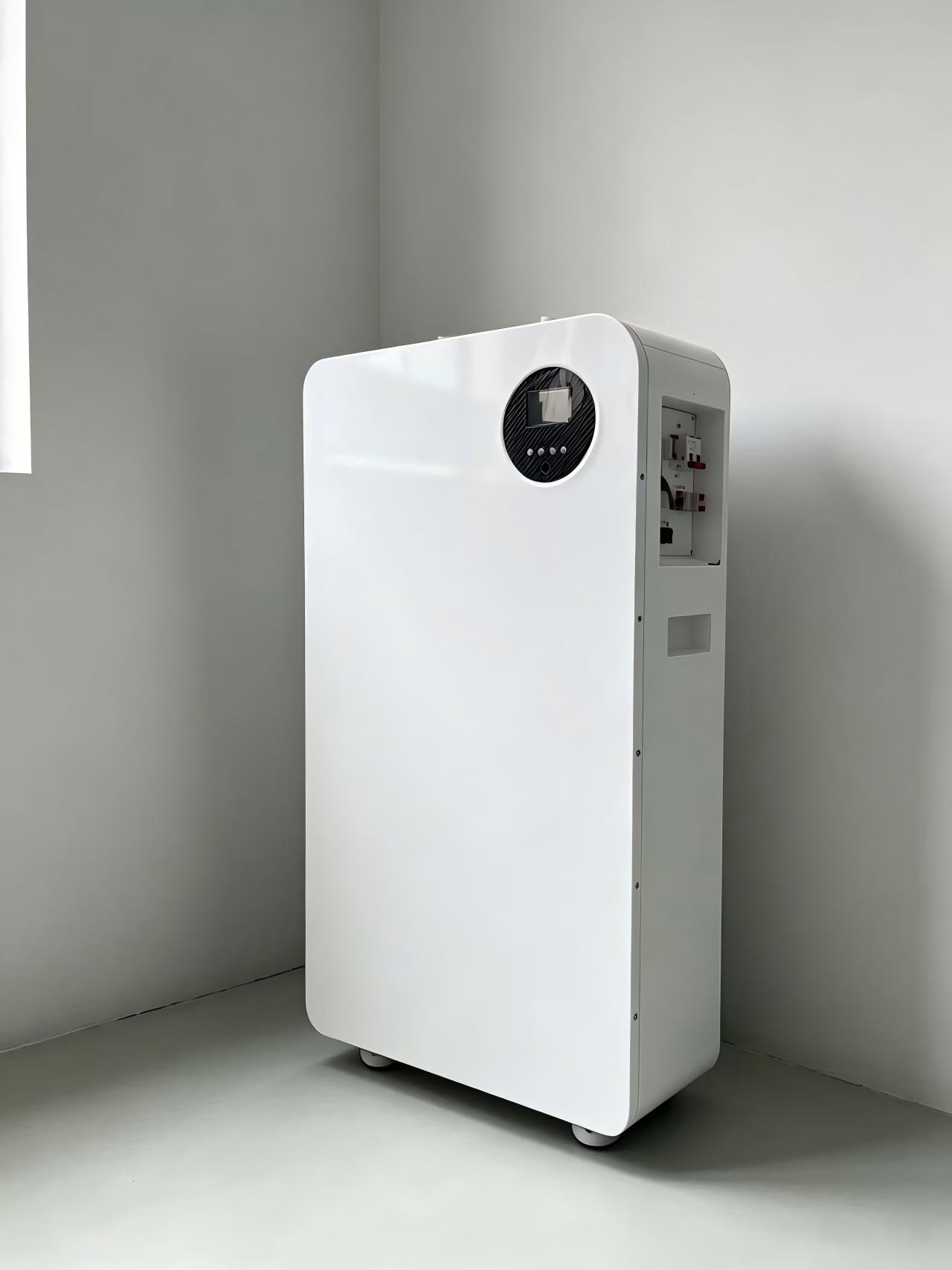
We make 10.24 kWh all-in-one systems and 5.12 kWh stacked modules for all three cases, with wide 90–280V AC input, optional low-temperature heating, and OEM / ODM customization. Send us your house type, daily consumption and the appliances that must stay on, and we will recommend a configuration with a datasheet and a quotation.
FAQ
Q1:Is it better to choose stacked modules or all‑in‑one unit for my home?
A:Stackable 5.12kWh modules support phased capacity expansion, ideal for rural houses and villas with growing power demand. 10.24kWh all‑in‑one is compact and more suitable for city apartments.
Q2:Does this system work under unstable low‑voltage grid in rural areas?
A:Yes. Our units feature wide 90‑280V AC input, which adapts to fluctuating grid voltage common at rural line ends.
Q3:Can I add more battery capacity later after initial installation?
A:Yes. If you adopt 5.12kWh stackable modules, you can add modules gradually without modifying existing PV installation.
Q4:What should I pay attention to for rural house battery installation?
A:Watch for unstable grid voltage, large surge current from well pumps, dust, dampness and low‑temperature environment. Low‑temperature heating option is recommended for unheated rooms.

Eine Nachricht hinterlassen
Scannen zu Wechat :

Hi! Click one of our members below to chat on