
 Deutsch
Wir beschäftigen uns mit verschiedenen Arten von Zellen, Batterien und Energiespeichersystemen.
Bei Fragen zu unseren Produkten hinterlassen Sie uns bitte eine Nachricht, wir melden uns innerhalb von 24 Stunden bei Ihnen.




Wir beschäftigen uns mit verschiedenen Arten von Zellen, Batterien und Energiespeichersystemen.
Bei Fragen zu unseren Produkten hinterlassen Sie uns bitte eine Nachricht, wir melden uns innerhalb von 24 Stunden bei Ihnen.
Langsame Elektrofahrzeuge (LSEVs) – darunter Golfcarts, Elektrofahrzeuge für den Nahverkehr (NEVs), Elektroroller, Campus-Shuttles und Transportwagen – erfreuen sich weltweit immer größerer Beliebtheit. Angesichts steigender Kraftstoffkosten und verschärfter Umweltauflagen setzen immer mehr Unternehmen und Privatpersonen auf LSEVs als effiziente und kostengünstige Alternative zu herkömmlichen benzinbetriebenen Fahrzeugen.
Das Herzstück jedes Elektrofahrzeugs ist seine Batterie, und die Wahl der richtigen Batterie ist entscheidend für Reichweite, Zuverlässigkeit, Sicherheit und langfristige Betriebskosten. Lithium-Batterien haben sich gegenüber herkömmlichen Blei-Säure-Batterien klar durchgesetzt. Doch wie wählt man bei so vielen verfügbaren Optionen die richtige aus?
Dieser umfassende Einkaufsführer deckt alles ab, was Sie wissen müssen – von der Batteriechemie und wichtigen technischen Daten bis hin zu anwendungsspezifischen Empfehlungen und Wartungstipps.
LSEVs sind batteriebetriebene Fahrzeuge, die für Geschwindigkeiten unter 45 km/h (28 mph) ausgelegt sind. Sie werden häufig eingesetzt in:
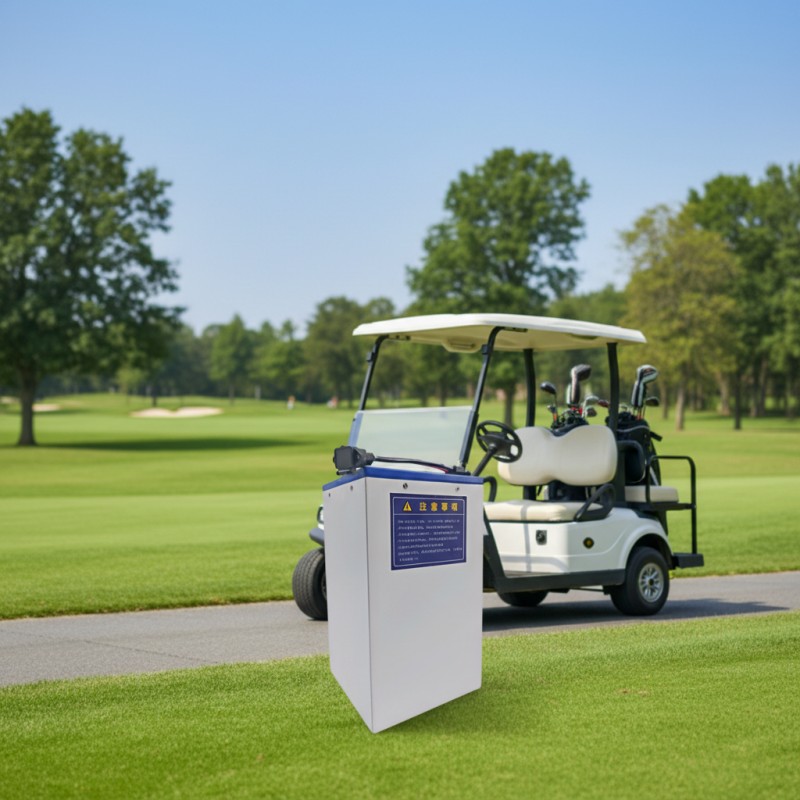
Golfplätze und Ferienanlagen
Abgeschlossene Wohnanlagen und Campusgelände
Flughäfen, Lagerhallen und Logistikeinrichtungen
Landwirtschaftliche und ländliche Versorgungsbetriebe
Urbane Zustellung auf der letzten Meile und Pendelverkehr auf kurzen Strecken
Tourismus- und Erholungsparks
Da LSEVs häufig in kontrollierten, sich wiederholenden Umgebungen verkehren, sind die gleichbleibende Batterieleistung, die Zyklenlebensdauer und die Zuverlässigkeit weitaus wichtiger als die maximale Ausgangsleistung. Aus diesem Grund haben sich LiFePO4-Batterien weltweit als bevorzugte Wahl etabliert.
Viele langsame Elektrofahrzeuge fahren immer noch mit herkömmlichen, gefluteten Blei-Säure-Batterien (FLA) oder verschlossenen Blei-Säure-Batterien (SLA). Diese sind zwar in der Anschaffung günstiger, ihre tatsächlichen Kosten über die Zeit sind jedoch deutlich höher. Hier ist ein Vergleich von Lithium-Batterien in allen wichtigen Bereichen:
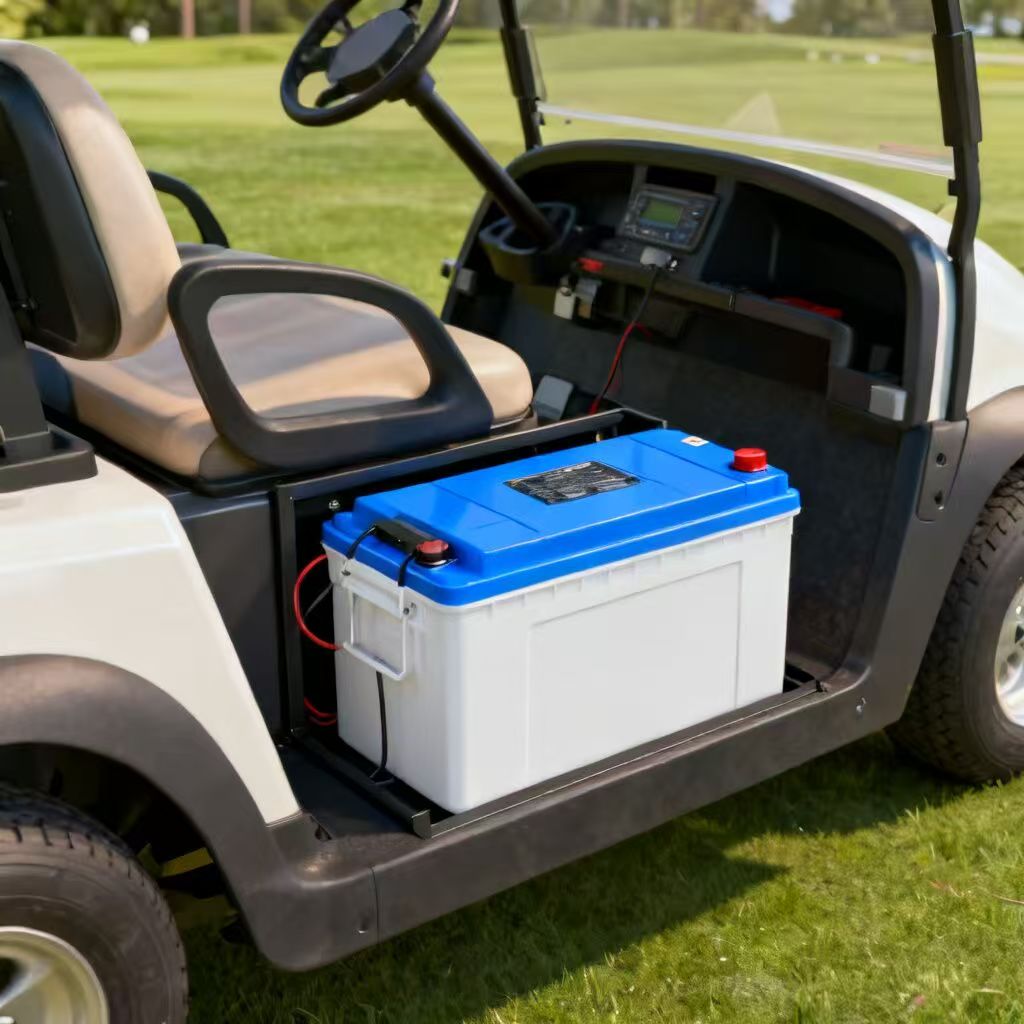
Gewicht und Energiedichte
Lithiumbatterien sind bis zu 60–70 % leichter als vergleichbare Bleiakkus. Bei einem Golfwagen mit 48 V/100 Ah wiegt ein Lithiumakku beispielsweise nur 25–30 kg, im Vergleich zu 60–80 kg bei einem Bleiakku. Diese Gewichtsreduzierung verbessert die Reichweite und Beschleunigung des Fahrzeugs und verringert den Verschleiß von Reifen und Fahrwerkskomponenten.
Lebensdauer und Langlebigkeit des Zyklus
Eine hochwertige LiFePO4-Batterie erreicht 2.000 bis über 5.000 Ladezyklen bei 80 % Entladetiefe, während herkömmliche Blei-Säure-Batterien typischerweise nur 300 bis 500 Zyklen schaffen. In der Praxis bedeutet das: Eine Lithiumbatterie in einem täglich genutzten Golfwagen hält 8 bis 10 Jahre, eine Blei-Säure-Batterie hingegen nur 2 bis 3 Jahre – die Austauschhäufigkeit und die damit verbundenen Ausfallkosten werden dadurch deutlich reduziert.
Ladegeschwindigkeit und -effizienz
Lithium-Batterien laden deutlich schneller als Blei-Säure-Batterien. Ein 48-V/100-Ah-Lithium-Akku ist typischerweise in 2–4 Stunden vollständig geladen, im Vergleich zu 8–12 Stunden bei Blei-Säure-Batterien. Dies ist entscheidend für Flottenbetreiber, die Fahrzeuge für mehrere Schichten pro Tag benötigen. Darüber hinaus erreichen Lithium-Batterien einen Ladewirkungsgrad von 95–99 %, verglichen mit 70–85 % bei Blei-Säure-Batterien. Das bedeutet, dass bei jedem Ladezyklus weniger Energie verloren geht.
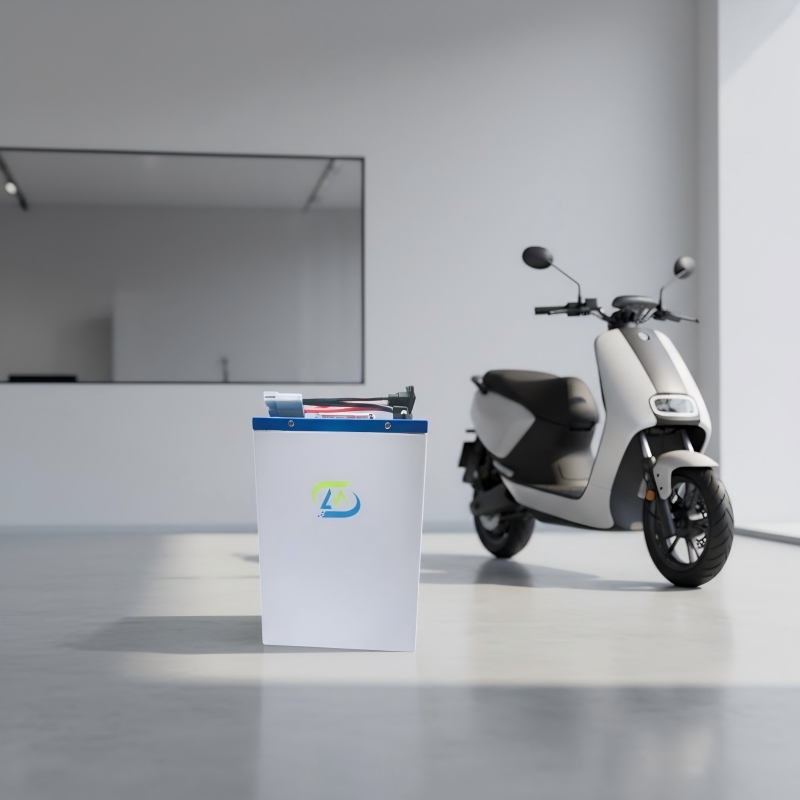
Wartungsfrei
Blei-Säure-Batterien erfordern regelmäßige Wartung: Prüfen und Auffüllen von destilliertem Wasser, Reinigen der Anschlüsse und Ausgleichen der Ladungen. Lithium-Batterien benötigen all dies nicht. Nach der Installation mit einem geeigneten Batteriemanagementsystem (BMS) sind sie vollständig wartungsfrei – ein bedeutender Vorteil für Unternehmen mit großen Fahrzeugflotten.
Gleichbleibende Stromversorgung
Blei-Säure-Batterien weisen beim Entladen einen deutlichen Spannungsabfall auf – das bedeutet, dass Ihr Elektrofahrzeug spürbar an Leistung verliert, je niedriger der Batteriestand ist. Lithium-Batterien hingegen behalten eine gleichmäßige, stabile Entladekurve und liefern von 100 % bis etwa 20 % Ladung eine konstante Spannung und Leistung. Dadurch steht Ihnen am Ende einer Schicht die gleiche Fahrleistung zur Verfügung wie zu Beginn.
Es gibt verschiedene Lithiumbatterie-Chemien auf dem Markt – darunter NMC (Nickel-Mangan-Kobalt), NCA (Nickel-Kobalt-Aluminium) und LiFePO4 (Lithium-Eisenphosphat). Für LSEV-Anwendungen LiFePO4 ist der klare GewinnerUnd hier ist eine detaillierte Aufschlüsselung der Gründe:
• Thermische und chemische StabilitätLiFePO4 besitzt die stabilste chemische Zusammensetzung aller Lithium-Ionen-Typen. Unter normalen Bedingungen kommt es nicht zu einem thermischen Durchgehen, wodurch es deutlich sicherer ist als NMC- oder NCA-Ionen-Akkus – ein entscheidender Vorteil für geschlossene Anwendungen wie Lagerhallen, Tiefgaragen oder Ladestationen in Innenräumen.
• Kein Kobalt oder NickelLiFePO4-Batterien enthalten kein Kobalt oder Nickel – Materialien, die mit Lieferkettenrisiken, Preisschwankungen und ethischen Bedenken hinsichtlich der Beschaffung verbunden sind. Dadurch sind sie kostengünstiger und umweltfreundlicher.
• Breitere TemperaturtoleranzLiFePO4 arbeitet zuverlässig über einen breiten Betriebstemperaturbereich (-20 °C bis +60 °C) und eignet sich daher sowohl für den Einsatz in der extremen Kälte Sibiriens und Kasachstans als auch in den wärmeren Klimazonen Neuseelands und Usbekistans.
• Lange flache AbflusskurveDie flache Spannungskurve von LiFePO4 bedeutet eine gleichmäßige und vorhersehbare Leistungsabgabe – im Gegensatz zu NMC, bei dem es beim Entladen zu einem deutlicheren Spannungsabfall kommt.
• UmweltkonformitätLiFePO4 enthält keine Schwermetalle und erfüllt strenge Umweltauflagen in der EU, im asiatisch-pazifischen Raum und in den GUS-Staaten – was den Entsorgungs- und Compliance-Aufwand für Importeure und Flottenbetreiber verringert.
Die richtige Wahl treffen Lithium-Akkupack für Ihr Elektrofahrzeug mit niedriger Geschwindigkeit Erfordert die sorgfältige Berücksichtigung mehrerer technischer Parameter. Werden diese von Anfang an korrekt eingestellt, lassen sich kostspielige Fehlanpassungen vermeiden und eine optimale Fahrzeugleistung gewährleisten.
• Nennspannung: Gängige Optionen sind 36 V, 48 V, 60 V, 72 V und höher.
• Kapazität (Ah) und Reichweite: Höhere Ah-Werte ermöglichen eine größere Reichweite.
• Dauerentladerate (C-Rate): Wichtig bei hohen Lasten und häufigem Ein- und Ausschalten.
• Batteriemanagementsystem (BMS): Unverzichtbar für Schutz, Ausgleich und Temperaturmanagement.
• Betriebstemperaturbereich: Achten Sie auf einen breiten Leistungsbereich mit optionalen Heizfunktionen für kalte Klimazonen.
• Zertifizierungen: UN38.3, IEC 62619, CE, RoHS usw.
• Golfwagen – Empfohlen: 48 V / 100–150 Ah LiFePO4
• Elektrofahrzeuge für den Nahverkehr (NEVs) – Empfohlen: 48–72 V / 100–200 Ah
• Elektrische Transportwagen und Gabelstapler — Empfohlen: 48 V–80 V / 150–200 Ah (hohe C-Rate)
• Flughafen-Bodenabfertigungsgeräte – Empfohlen: 48 V–80 V / 200 Ah+
• Elektroroller & E-Bikes – Empfohlen: 36–72 V / 20–60 Ah
Landwirtschaftliche Nutzfahrzeuge – Empfohlen: 48 V–72 V / 100–200 Ah
Einer der häufigsten Einwände gegen Lithiumbatterien sind die Anschaffungskosten. Zwar kostet ein Lithium-Akku in der Regel beim Kauf 2- bis 3-mal so viel wie ein vergleichbarer Bleiakku, doch Gesamtbetriebskosten (TCO) über einen Zeitraum von 10 Jahren erzählt eine ganz andere Geschichte:
• Austausch der Blei-Säure-Batterie alle 2–3 Jahre = 3–4 Austausche innerhalb von 10 Jahren
• Jeder Austausch beinhaltet Anschaffungskosten + Arbeitskosten + Entsorgungsgebühren
• Lithiumbatterie: typischerweise ein einmaliger Kauf innerhalb desselben 10-Jahres-Zeitraums
• Energieeinsparung: Die Ladeeffizienz von Lithium-Ionen-Akkus liegt bei 95–99 % im Vergleich zu 70–85 % bei Blei-Säure-Akkus = 15–25 % niedrigere Stromkosten
• Einsparungen bei der Wartung: Keine Wasserprüfungen, Terminalreinigung oder Ausgleichsgebühren erforderlich
• Reduzierung von Ausfallzeiten: Längere Lebensdauer + schnelleres Laden = mehr Betriebsstunden pro Tag
Für Flottenbetreiber, die 10, 50 oder mehr als 100 Fahrzeuge in Märkten wie Russland oder Kasachstan verwalten, sind die kumulierten Einsparungen durch den Wechsel zu Lithium beträchtlich – sie erreichen oft Zehntausende von Dollar über die gesamte Lebensdauer einer Flotte.
Selbst die besten Lithium-Batterien profitieren von der richtigen Nutzung. Befolgen Sie diese Richtlinien, um die Lebensdauer und Leistung Ihrer Batterie zu maximieren:
• Vermeiden Sie regelmäßiges Entladen unter 20 % Ladezustand (SoC) – Tiefentladung beschleunigt die Zellalterung.
• Für die Langzeitlagerung (mehr als 2 Wochen) sollte der Akku bei einem Ladezustand von 50–80 % in einer kühlen, trockenen Umgebung gelagert werden.
• Verwenden Sie immer das vom Hersteller empfohlene Lithium-Ladegerät – improvisieren Sie niemals mit alternativen Ladegeräten.
• Vermeiden Sie es, die Batterie über längere Zeiträume auf 100 % geladen zu lassen, wenn das Fahrzeug nicht benutzt wird – die meisten modernen Batteriemanagementsysteme (BMS) regeln dies automatisch.
• In kalten Klimazonen sollte der Akku vor der Nutzung mit hohem Stromverbrauch oder Schnellladen vollständig durch die Akkuheizung erwärmt werden.
• Klemmen und Steckverbinder sollten regelmäßig auf Korrosion oder lose Verbindungen überprüft werden, insbesondere in feuchten oder küstennahen Umgebungen (relevant für Benutzer in Neuseeland).
• Überprüfen Sie regelmäßig die BMS-Gesundheitsanzeige – die meisten modernen Lithium-Akkus liefern Informationen zu Ladezustand (SoC), Zyklenzahl und Gesundheitsstatus über ein Display oder eine Bluetooth-App.
LiFePO4-Lithiumbatterien bieten überragende Leistung, Sicherheit und Wirtschaftlichkeit für Elektrofahrzeuge mit niedriger Geschwindigkeit. Kontaktieren Sie unser Team für kompetente Beratung und individuelle Lösungen.
Frage 1: Welche Lithiumbatterie eignet sich am besten für einen Golfwagen oder ein langsam fahrendes Elektrofahrzeug?
LiFePO4-Batterien (Lithium-Eisenphosphat) sind die erste Wahl für Golfcarts und LSEVs. Sie bieten 2.000 bis über 5.000 Ladezyklen, hervorragende thermische Sicherheit, eine flache Entladekurve für eine gleichmäßige Leistungsabgabe und sind wartungsfrei – was sie über die gesamte Lebensdauer des Fahrzeugs zur kostengünstigsten Option macht.
Frage 2: Kann ich meine Blei-Säure-Batterie in meinem bestehenden LSEV durch eine Lithium-Batterie ersetzen?
Ja, in den meisten Fällen. Sie müssen die Systemspannung (typischerweise 48 V oder 72 V) anpassen, ein lithiumkompatibles Ladegerät verwenden und die Kompatibilität der Motorsteuerung überprüfen. Ein Lithium-Akku bietet in der Regel die 2- bis 3-fache Reichweite, eine deutlich längere Lebensdauer und einen wesentlich geringeren Wartungsaufwand im Vergleich zum ursprünglichen Bleiakku.
Frage 3: Wie lange hält eine Lithiumbatterie in einem Elektrofahrzeug mit niedriger Geschwindigkeit?
Eine hochwertige LiFePO4-Batterie hält bei normalem Gebrauch 8–10 Jahre und erreicht 2.000–5.000 Ladezyklen bei 80 % Entladetiefe. Im Vergleich dazu müssen Bleiakkumulatoren typischerweise alle 2–3 Jahre ausgetauscht werden. Durch sachgemäßes Laden und Lagern lässt sich die Lebensdauer von Lithiumakkumulatoren sogar noch verlängern.
Frage 4: Sind Lithium-LSEV-Batterien in extrem heißen oder kalten Klimazonen sicher?
Ja. LiFePO4 zählt zu den thermisch stabilsten Lithium-Batterien. In Umgebungen mit hohen Temperaturen überwacht und regelt das Batteriemanagementsystem (BMS) die Zelltemperatur automatisch. In kalten Klimazonen wie Russland oder Zentralasien gewährleisten Batterien mit integrierter BMS-Heizfunktion auch bei Temperaturen bis zu -20 °C und darunter eine zuverlässige Leistung und verhindern so Kapazitätsverluste und Zellschäden im Winterbetrieb.
Frage 5: Welche Spannung benötigt die Lithiumbatterie für mein LSEV?
Die meisten leichten Elektrofahrzeuge (LSEVs) werden mit 48-V-Systemen betrieben. Leistungsstärkere oder größere Nutzfahrzeuge können 60-V-, 72-V- oder 80-V-Konfigurationen verwenden. Prüfen Sie vor der Auswahl einer Batterie immer das Typenschild oder das Datenblatt des Motorsteuergeräts Ihres Fahrzeugs. Eine falsche Spannung kann das Steuergerät beschädigen oder zu Leistungseinbußen führen.
Frage 6: Ist Lithium auf lange Sicht wirklich günstiger als Blei-Säure?
Ja. Lithiumbatterien sind zwar in der Anschaffung teurer, die Gesamtbetriebskosten über 10 Jahre sind jedoch deutlich geringer, wenn man Folgendes berücksichtigt: weniger Batteriewechsel (1 Lithiumbatterie gegenüber 3–4 Blei-Säure-Batterien), niedrigere Stromkosten dank höherer Ladeeffizienz, kein Wartungsaufwand und weniger Fahrzeugausfallzeiten. Für Flottenbetreiber können diese Einsparungen beträchtlich sein.

Eine Nachricht hinterlassen
Scannen zu Wechat :

Hi! Click one of our members below to chat on